
To Know Christ and to Make Christ Known

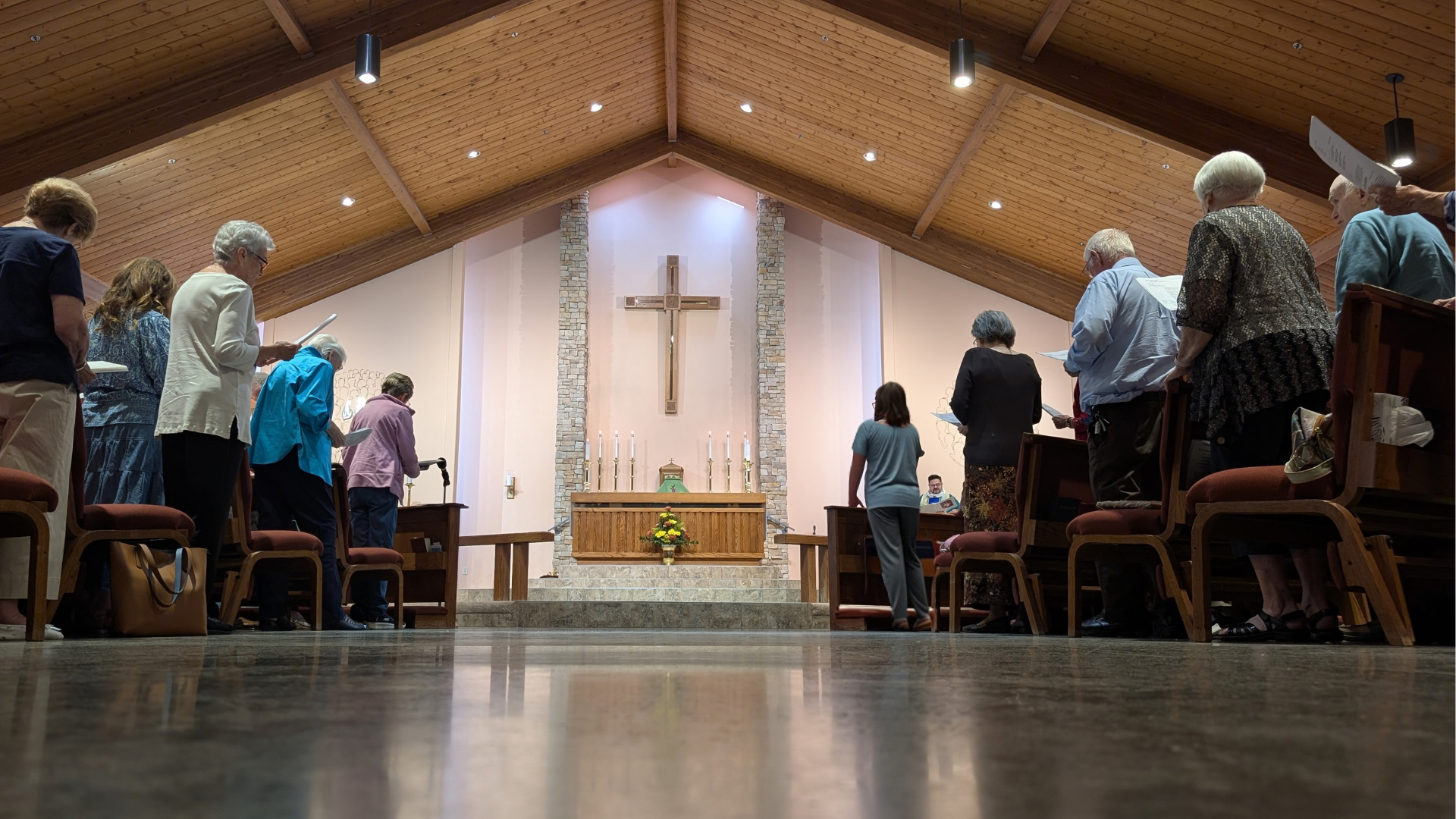
Welcome to St. Luke’s Episcopal Church, a congregation of the Episcopal Diocese of Arizona. Whether you are visiting for the first time, returning after some time away, or looking for a church home, we invite you to join us.
At St. Luke’s, we bring together the richness of traditional Episcopal worship with a spirit of openness and curiosity. We believe faith is a journey, and there is room here for questions, doubts, wonder and wrestling with the great questions of life and faith—all within a loving and inclusive community.
ALL ARE WELCOME!
St. Luke’s Episcopal Church seeks to create a community where we intentionally welcome all. We foster a climate of purposeful inclusion, an environment where all can feel safe, valued, cared for, and given an opportunity to form meaningful connections with each other. We cherish the diversity of humanity, a diversity that includes differences in sex, age, race, ethnicity, national origin, range of abilities, sexual orientation, gender identity, financial means, education, and political perspective. When we say “All are Welcome” we mean ALL.
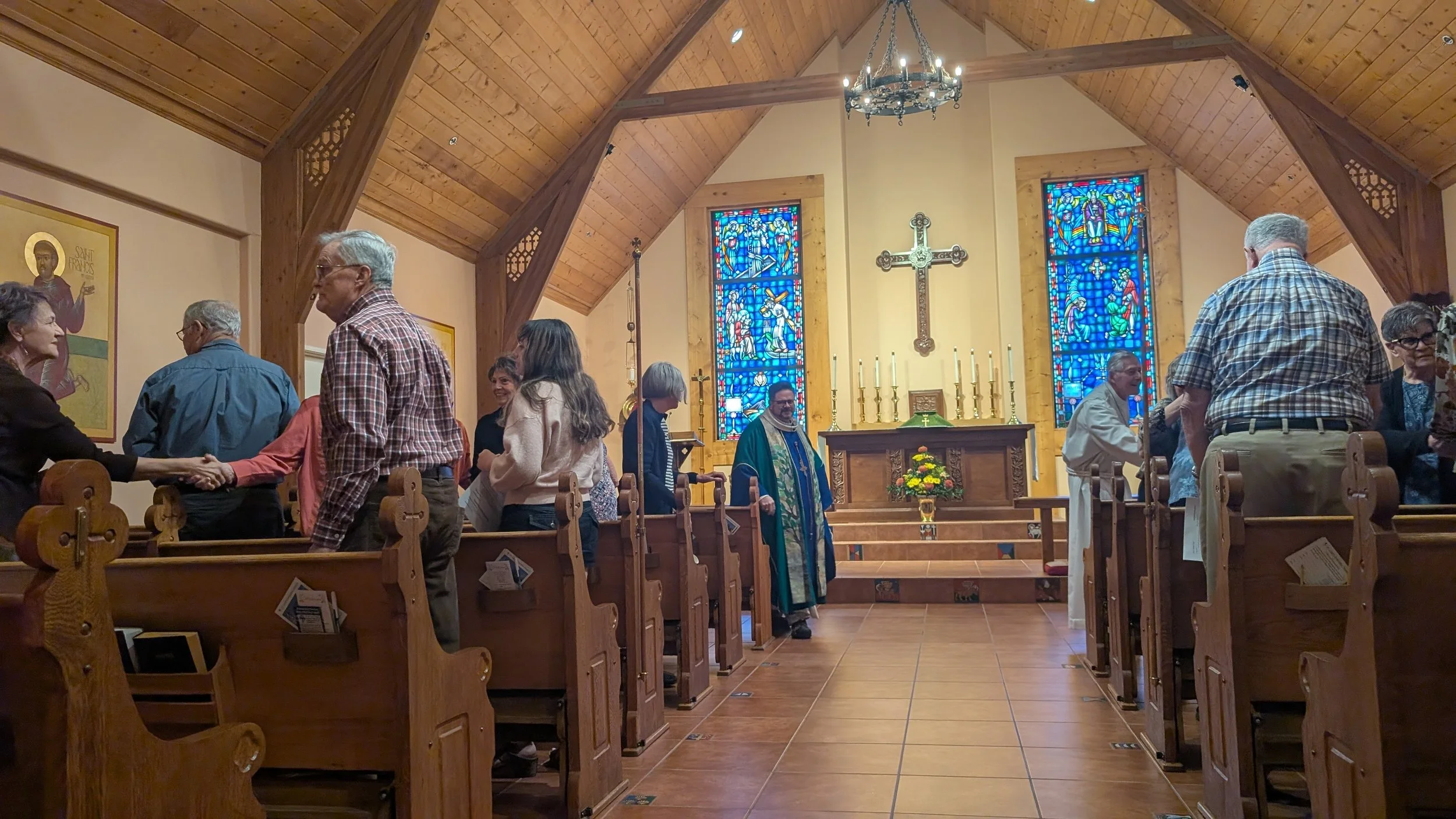
NEW HERE? When you arrive, stop by our Welcome Table, located just inside the wooden doors. Our hospitality team will be happy to greet you, answer questions, and help you find your way. First-time visitors and guests are invited to complete a “Let’s Get Acquainted” Card and receive a small gift from us—a bread of love—as a reminder that you have a place in this community.
Worship with us
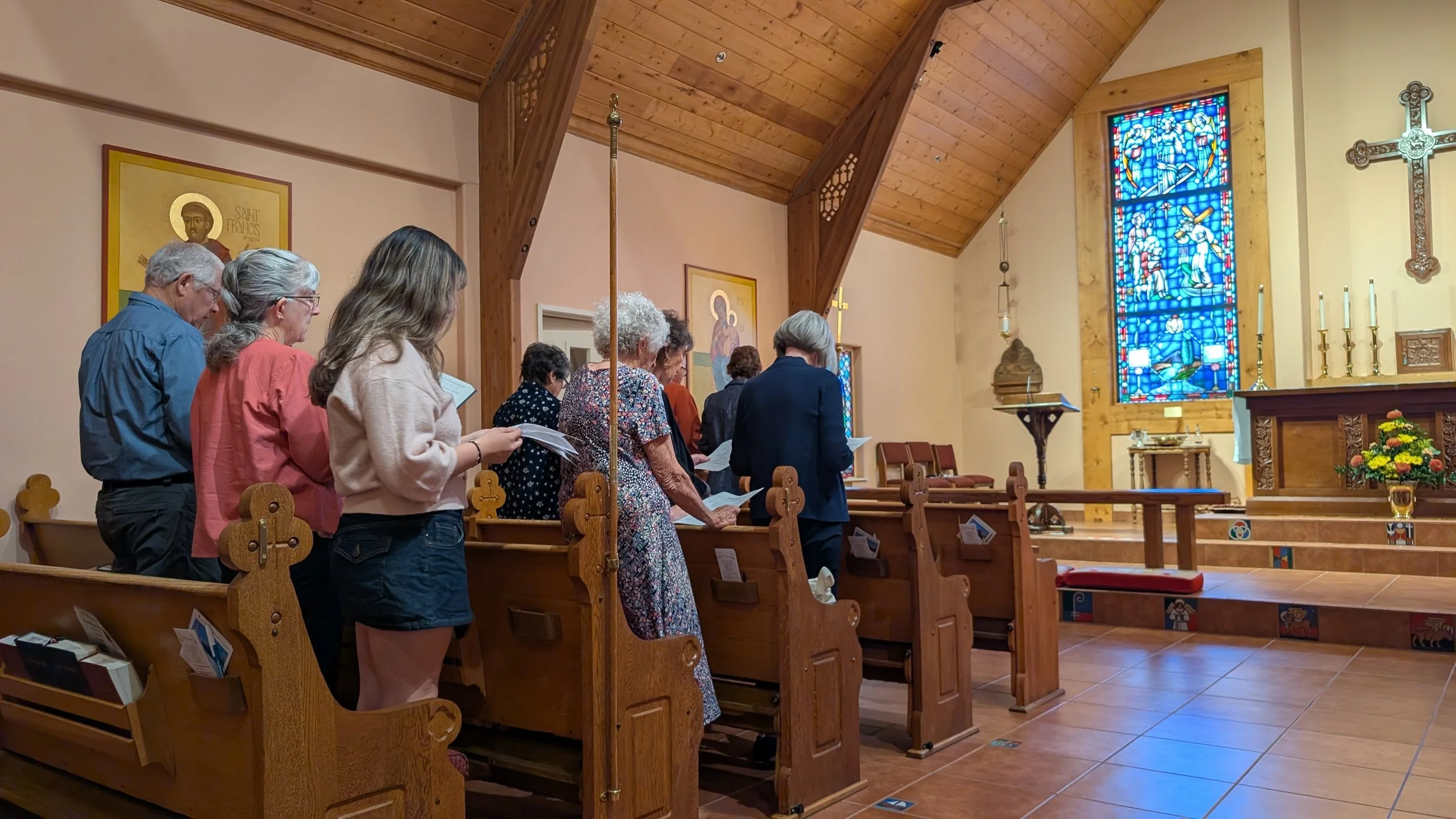
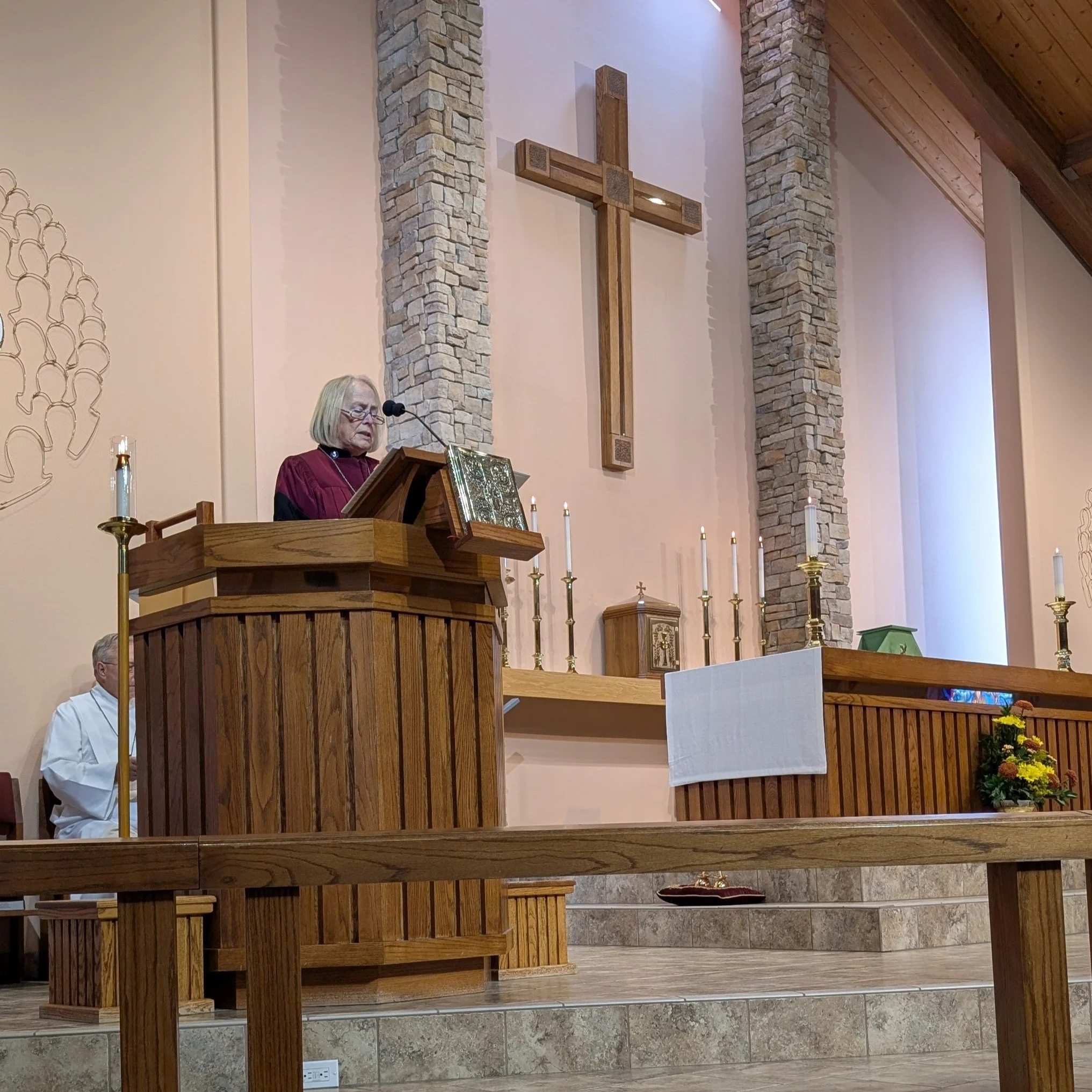
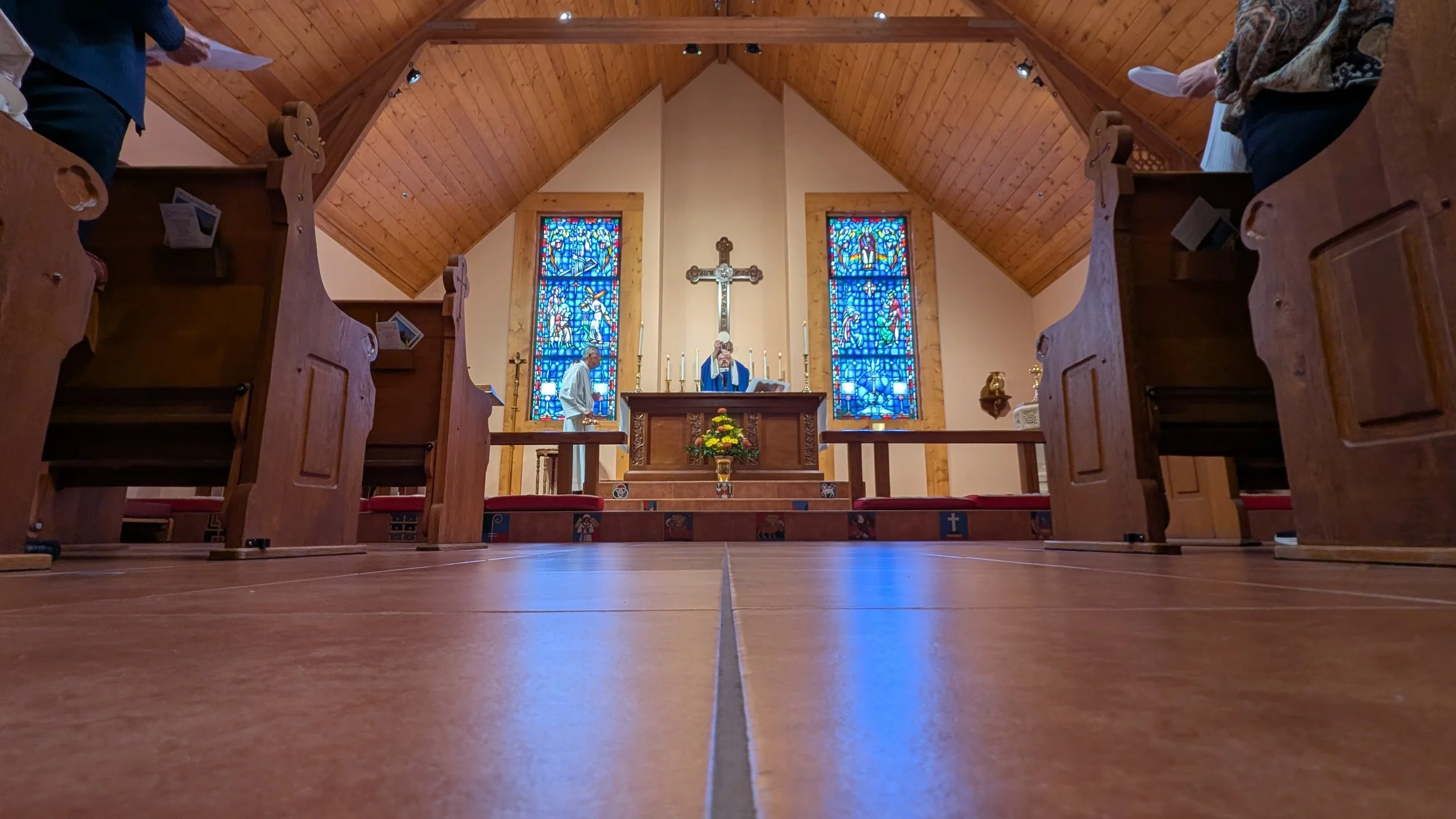
Sunday Worship is held weekly on:
Saturday, 5:30 pm - Crowell Chapel
Sunday, 8:00 am - Crowell Chapel
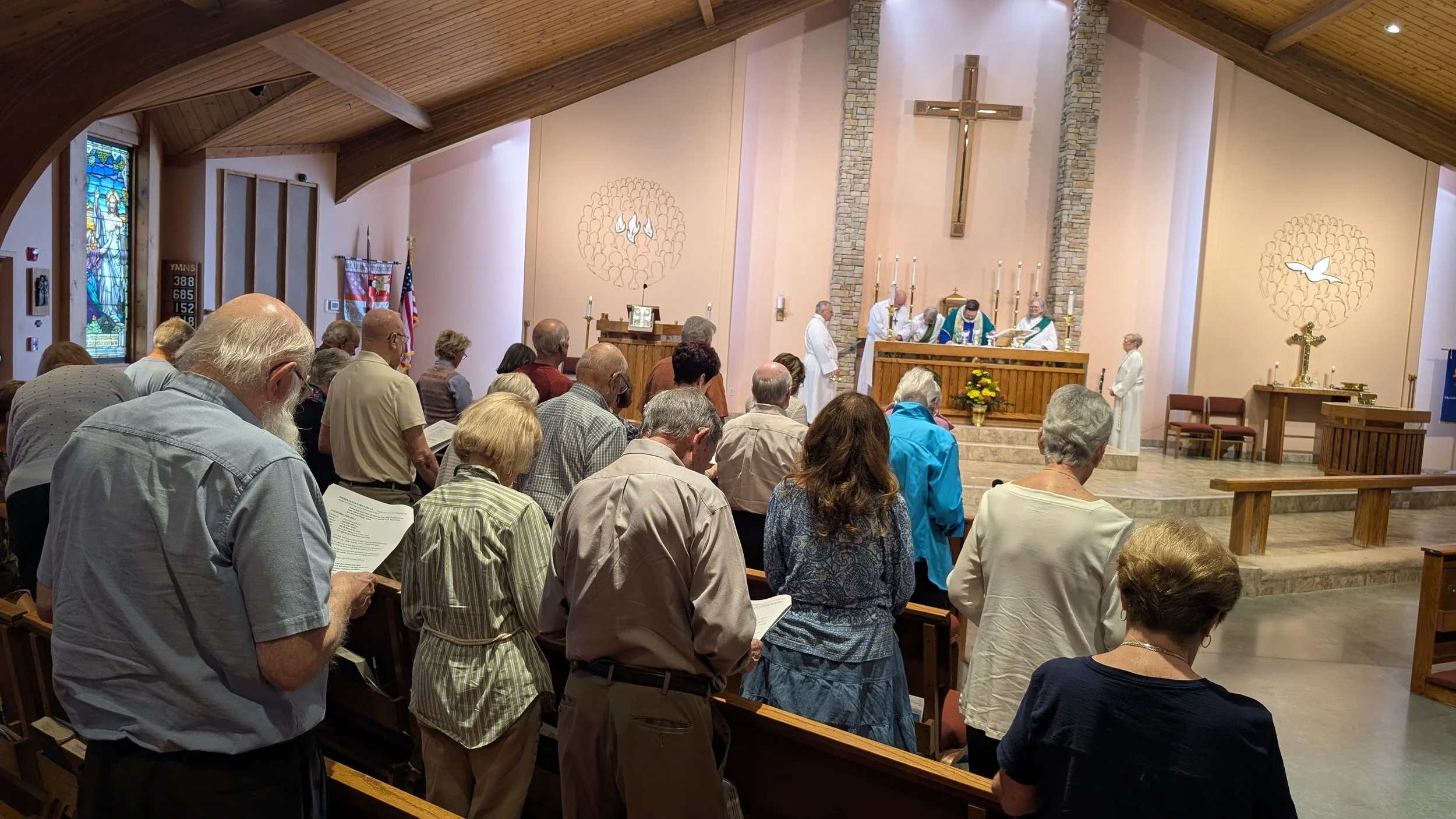
Sunday, 10:00 am - Sanctuary (livestreamed)
Connect With Us

This Week's Streaming Service

This Week’s Bulletin

The Latest Epistle: email newsletter
About St. Luke’s
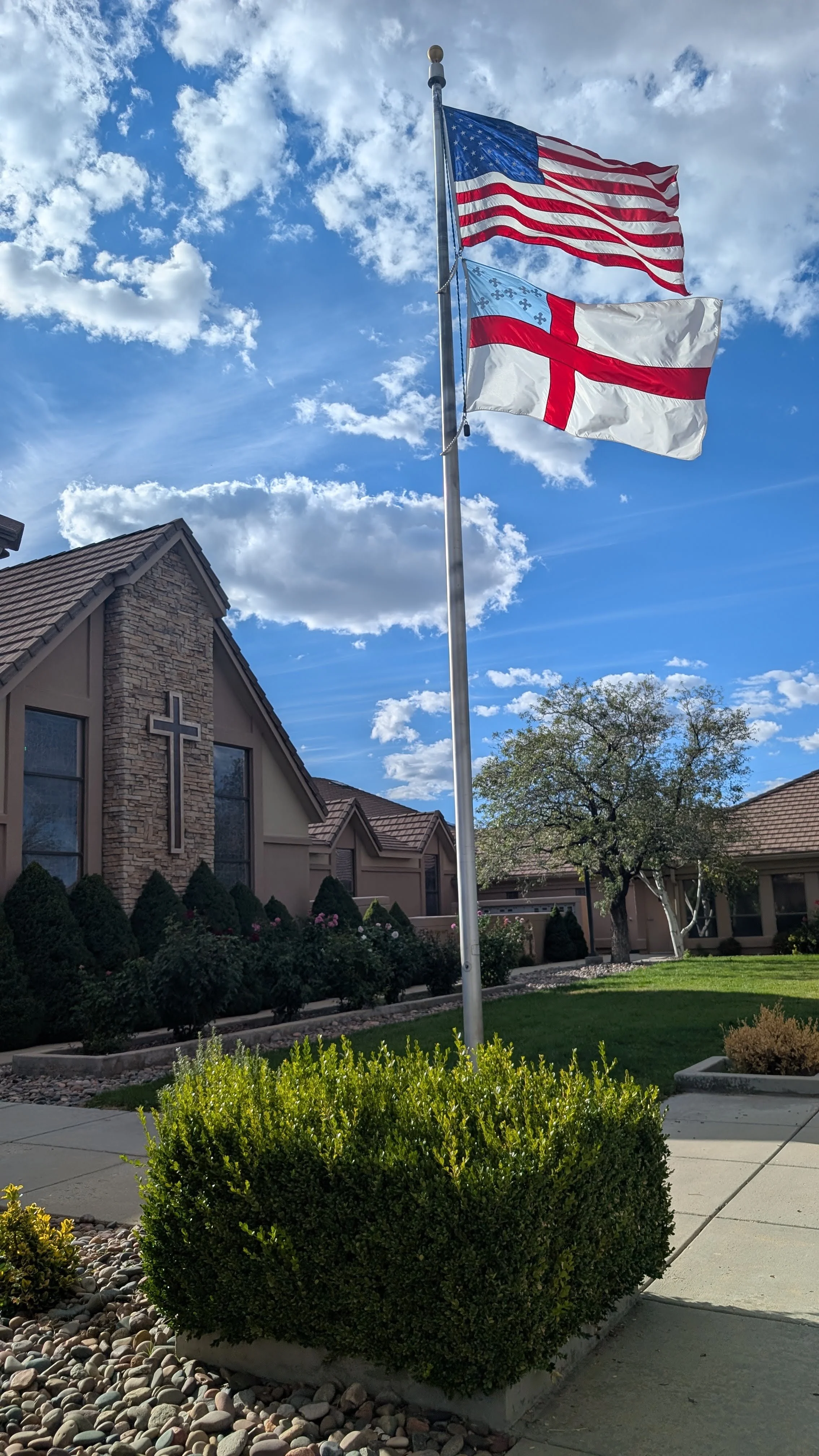
Since 1892, St. Luke’s has been a beacon for Christ in the high desert of North Central Arizona. We gather each Sunday for worship, seeking to know Christ more deeply and to make Christ known through our lives, our community, and our service to others.
Rooted in the rich traditions of the Episcopal Church, St. Luke’s values Scripture, reason, tradition, and thoughtful engagement with the questions and complexities of faith. Our worship centers on the Holy Eucharist and Baptism, and we treasure the beauty and depth of the Book of Common Prayer.
Our congregation is diverse, bringing together people with different perspectives, experiences, and worldviews. We believe this diversity is a strength when grounded in Christ, calling us to live with mutual respect, compassion, and love.
Our mission, “To Know Christ and to Make Christ Known,” is lived out in countless ways. More than 80 ministries, programs, service projects, and groups provide opportunities for fellowship, education, hospitality, pastoral care, and outreach. Whether through worship, serving our neighbors, learning together, or simply walking alongside one another, there is a place for everyone to participate.
Our Patron, St. Luke
St. Luke was a physician, historian, and companion of St. Paul who lived nearly 2,000 years ago. As the author of the Gospel According to Luke and the Acts of the Apostles, he sought to carefully record the story of Jesus and the early Church.
Luke’s writings reveal a particular concern for people who were poor, marginalized, or overlooked. His message emphasizes God’s mercy, forgiveness, and the assurance that God’s door is open to all.
His words continue to speak to us today:
“Ask, and it will be given to you; seek, and you will find; knock, and it will be opened to you.”
Luke 11:9
FAQs
-
The Episcopal Church is the American member church of the worldwide Anglican Communion, which numbers 60 million members in over 100 countries. “Episcopal” and “Bishop” are both derived from the same Greek word, “episkopos,” which means “leader” or “guardian.” It is sometimes described as the “bridge church,” or “church of the middle way,” because it draws from both Catholic and Protestant traditions. It preserves the ancient catholic (meaning “all-embracing”) faith and sacraments, as well as its traditional structure, with Bishops as its chief pastors. It is at the same time a Protestant denomination, the Anglican Church having separated from the Roman Catholic Church in the sixteenth century. The Episcopal Church’s focus rests in the basic authority of Holy Scripture and the proclamation of the Word of God.
-
Episcopalians make a solemn commitment to follow Jesus Christ as their Savior and Lord.
One God, the Father who created us and all things, the Son who redeems us from sin and death, the Holy Spirit who renews us as the Children of God.
Episcopalians believe the Holy Scriptures to be the Word of God and to contain all things necessary for salvation. We believe God inspired human authors and continues to speak to us through the Bible.
Episcopalians affirm that salvation is the end of our separation from God and the beginning of a new relationship with God and with one another. The Apostles’ and Nicene Creeds are basic statements of our beliefs in God.
-
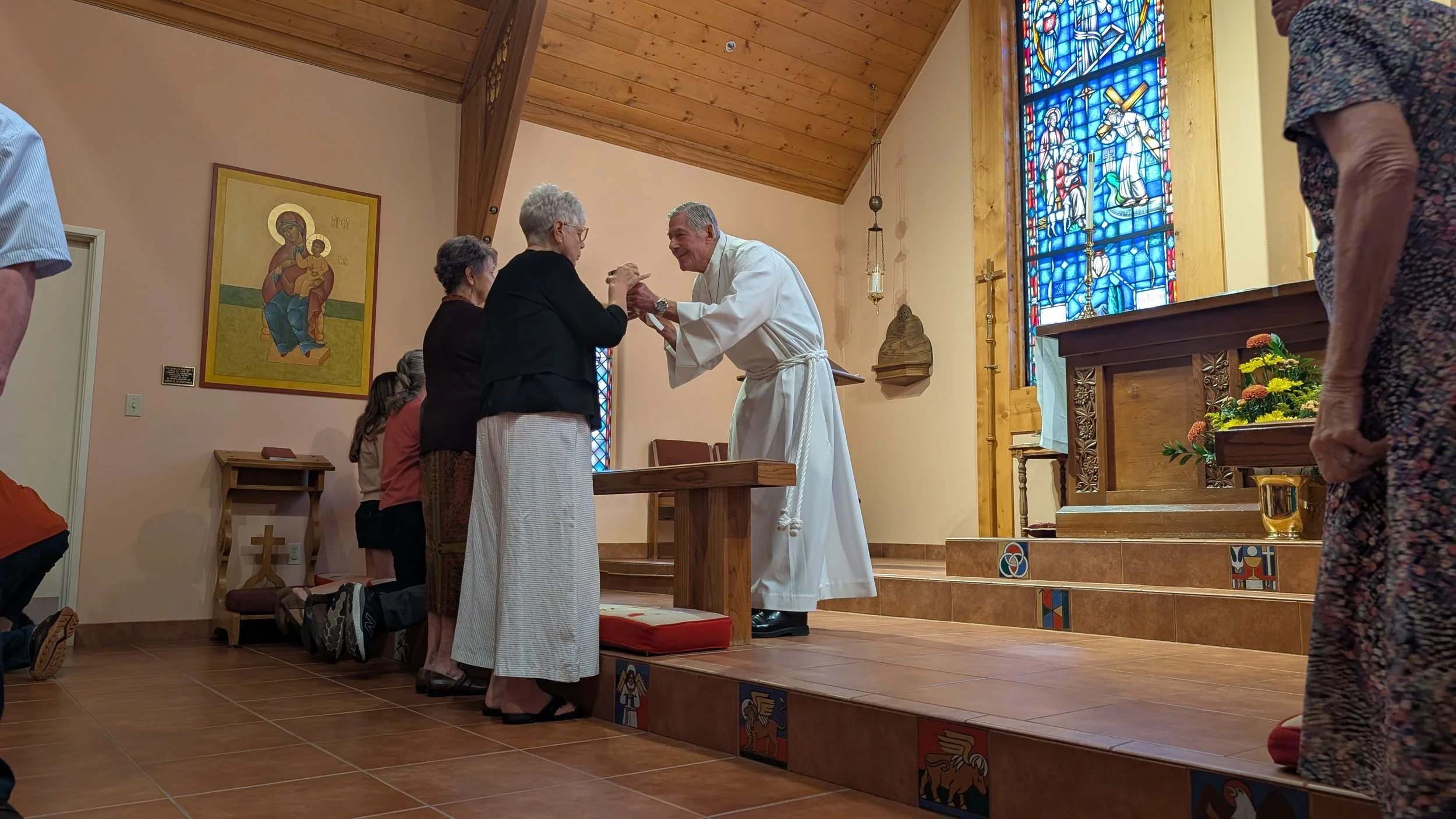
In worship, we unite ourselves with others to acknowledge the holiness of God, to hear God’s Word, to offer prayer and praise, and to celebrate the sacraments. The Celebration of the Holy Eucharist (sometimes referred to as Holy Communion) is the central act of worship in accordance with Jesus’ command to His disciples. Three books are used at every service: the Holy Bible; the Book of Common Prayer, (1979), which is composed of both ancient and modern liturgies and prayers; and the Hymnal (1982), which includes both traditional and contemporary Church music. Episcopal services preserve the rich worship and tradition of the historic Church. Everyone present participates actively in this joyous response to God’s love.
-
Sacraments are the “outward and visible signs of inward and spiritual grace.” Grace is God’s love freely given to us for forgiveness and spiritual renewal.
The two sacraments of the Gospel, instituted and ordained by Christ Himself as essential for every Christian’s salvation are:
Holy Baptism – administered once as a pledge of repentance and trust in Jesus Christ as Lord and Savior. Baptism may take place at any age. If an infant or child is baptized, the child’s parents and godparents accept the obligation to see that he or she is encouraged to grow in faith and live a Christ-centered life; to renounce sin and evil, and accept Jesus Christ as his or her Savior. When old enough to take on these responsibilities themselves, those baptized as infants are confirmed (see below). Adults, at baptism, make these pledges for their own lives. So baptism is the means by which God adopts us as His children, making us members of Christ’s Body, the Church.
Holy Eucharist – We share bread and wine as part of our worship, for the continual remembrance of Christ’s life, death, and resurrection until His coming again. All baptized Christians are welcome to share in Holy Eucharist, together with our congregation. Through this shared sacrament, we receive forgiveness of our sins and the strengthening of our union with Christ and one another.
There are five other sacramental rites. These differ from the two great sacraments of the Gospel because they are not necessary for all persons in the same way that Baptism and the Eucharist are, though still means of grace:
Confirmation – the rite by which we express a mature commitment to Christ, praying for help from God and strength from the Holy Spirit, through the laying on of hands by a bishop.
Holy Matrimony – the sacrament of marriage, in which spouses commit their lives to one another and receive God’s blessing.
Reconciliation of a Penitent – the confession of one’s sins to God. In the Episcopal Church, this takes the form of a confessional prayer, recited in unison by the congregation as part of the communal service of worship, led by the priest. The congregation as a whole then receives the assurance of God’s forgiveness and the grace of absolution. Any individual who needs to confess to the priest individually and in private may also do so.
Ministration to the Sick – the anointing of the sick with oil, or the laying on of hands, by which God’s grace is given for the healing of spirit, mind, and body.
Ordination – the sacrament that consecrates Christians in service to God, as bishops, priests, and deacons.
-
The mission of an Episcopalian is not simply a matter of “saving souls.” Neither is it simply a matter of “feeding the hungry.” Christian mission is seen as the quest for both the spiritual and the physical welfare of mankind since Christ’s love extends to all aspects of life. The mission of the Church is to restore all people to unity with God and each other in Christ.
Land Acknowledgement
We acknowledge that we are on the ancestral and unceded lands of the Indigenous peoples of this region. This includes the Yavapai people, specifically the Yavapai-Prescott Indian Tribe and the Yavapai-Apache Nation, as well as the Hualapai Tribe, whose historical and cultural ties to this territory are enduring. We honor the original stewards of this land, who have resided here, and their deep connection to the earth, the water, and all living things. We pledge to honor Indigenous sovereignty, listen to Indigenous voices, and work toward a more just and equitable future in partnership with Native peoples.